
TSS·POL
Roofing Sheets
Polycarbonate Sheet
Daylight without the heat.
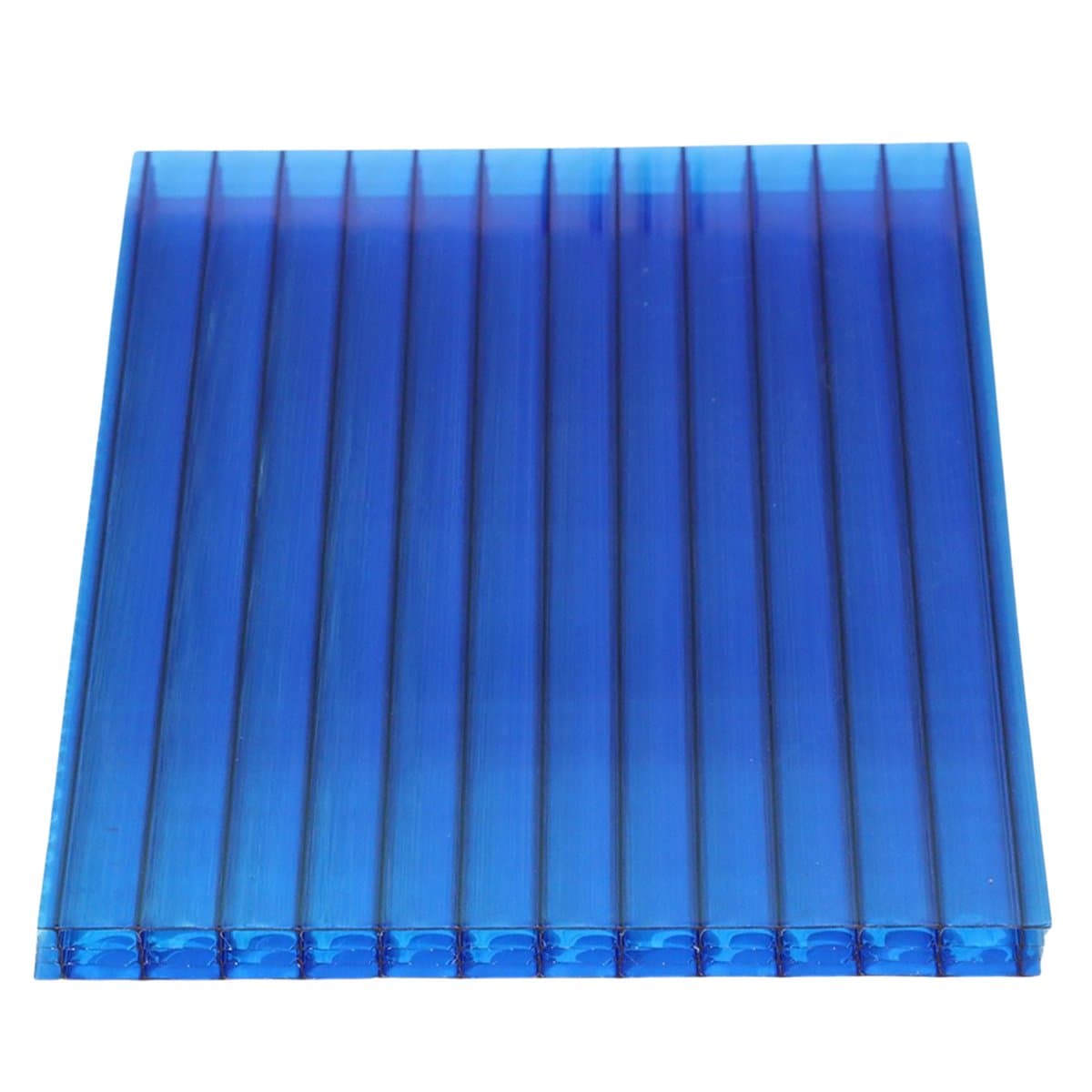
Polycarbonate sheet is the architect's answer to the question of how to bring daylight into a space without bringing the heat, glare and fragility of glass with it. Engineered as both solid and multiwall (twinwall and cellular) panels, it transmits a controlled measure of natural light while a co-extruded UV layer screens out the wavelengths that fade, yellow and degrade. At a fraction of the weight of glass and with impact strength many times greater, it spans skylights, canopies and covered walkways that need to be safe, luminous and quietly durable.
Polycarbonate sheet is the architect's answer to the question of how to bring daylight into a space without bringing the heat, glare and fragility of glass with it. Engineered as both solid and multiwall (twinwall and cellular) panels, it transmits a controlled measure of natural light while a co-extruded UV layer screens out the wavelengths that fade, yellow and degrade. At a fraction of the weight of glass and with impact strength many times greater, it spans skylights, canopies and covered walkways that need to be safe, luminous and quietly durable.
The TSS programme covers clear, bronze, opal and grey tints from 4 mm upward, in solid sheet for crisp optical clarity and multiwall constructions where thermal insulation and reduced weight matter most. Every sheet carries one-sided or two-sided UV protection and is supplied with a 10-year limited warranty against loss of light transmission and excessive yellowing under normal exterior exposure. Manufactured to ISO 11963 and, for cellular grades, EN 16153, the panels meet the dimensional, optical and mechanical benchmarks the specification expects.
Supplied across Europe, North America and beyond, the range is held to consistent quality, fire and weathering benchmarks so that the panel approved in a sample is the panel that arrives on site. TSS works as a specialist partner from selection through to delivery, advising on tint, wall structure, span tables and fixing so the finished glazing performs across decades of sun, hail and thermal cycling.
- Material
- Polycarbonate (PC), co-extruded UV layer
- Construction
- Solid sheet · multiwall (twin/triple/X-structure)
- Thickness
- 4 mm+ (solid); 4–25 mm (multiwall)
- Standard sheet size
- 1220 × 2440 mm (other widths/lengths to order)
- Tints
- Clear · bronze · opal · grey
- Light transmission
- Typical 80–90% clear; lower for tinted/opal grades
- UV protection
- Co-extruded, one-sided or two-sided
- Density (solid PC)
- Typical 1.20 g/cm³
- Thermal conductivity (solid)
- Typical 0.20 W/m·K
- U-value (multiwall)
- Typical 3.9–1.4 W/m²K by structure/thickness
- Coefficient of thermal expansion
- Typical 65 × 10⁻⁶ /K (≈3 mm per metre per 50 °C)
- Service temperature
- Typical −40 °C to +120 °C
- Reaction to fire
- Typical Class B-s1,d0 to EN 13501-1 (grade/thickness dependent)
- Impact strength
- Virtually unbreakable; up to ~200× the impact resistance of glass
- Weight (solid, 4 mm)
- Typical ~4.8 kg/m²
- Warranty
- 10-year limited UV warranty
▸Skylights & rooflights
Brings diffuse, UV-screened daylight deep into interiors with a glazing that resists hail and accidental impact.
▸Canopies & porches
Lightweight clear or tinted covers for entrances and walkway shelters that shed rain while staying bright underneath.
▸Covered walkways
Long-span overhead glazing for transit links and campuses, combining daylight, weather protection and vandal resistance.
▸Greenhouses & horticulture
Multiwall sheets deliver insulated, light-diffusing cover that protects plants from UV stress and reduces heat loss.
▸Pool & atrium enclosures
Warm, condensation-managed glazing for swimming halls and atria where weight and safety rule out heavy glass.
▸Industrial & agricultural roofing
Profiled and flat panels for natural top-lighting of warehouses, barns and production halls.
▸UV protected
A co-extruded UV layer screens damaging wavelengths, guarding both the sheet and the people and goods beneath against fading and yellowing.
▸High impact strength
Effectively unbreakable in normal use — up to around 200 times the impact resistance of glass — for safe overhead and public-access glazing.
▸Light transmitting
Clear grades pass typically 80–90% of visible light; opal and tinted options soften glare and manage solar gain.
▸Lightweight & easy to handle
Roughly half the weight of equivalent glass, simplifying frames, fixings, transport and on-site installation.
▸Thermal insulation (multiwall)
Air-filled cellular structures cut heat loss, improving comfort and energy use in greenhouses, pools and atria.
▸10-year warranty
Backed by a 10-year limited warranty against excessive loss of light transmission and yellowing under normal exterior exposure.
ISO 11963
Plastics — polycarbonate sheets: types, dimensions and characteristics, including optical, mechanical and weathering requirements.
EN 16153
Light-transmitting flat multiwall polycarbonate sheets for internal and external use in roofs, walls and ceilings — requirements and test methods.
EN 13501-1
Reaction-to-fire classification of construction products; UV-grade polycarbonate typically achieves Class B-s1,d0 (grade and thickness dependent).
EN 1013
Profiled, light-transmitting single-skin plastics sheets for roofing — relevant where corrugated/profiled polycarbonate is used as roof covering.
ISO 9001 / CE marking
Quality-management certification of manufacture and CE conformity for construction-product placement on the EU/UK market.
- ▸Always install with the printed UV-protected face outward, towards the sun; the protective film marks this side and should stay on until fixing is complete.
- ▸On multiwall sheets, orient the flutes/webs to run vertically or down the slope so condensation drains, and seal the top edge with solid tape and the bottom with vented anti-dust tape.
- ▸Allow for thermal movement — pre-drill oversized holes (typically 3 mm clearance per metre of sheet) and fix with washered, gasketed screws; never over-tighten.
- ▸Maintain the manufacturer's minimum cold-bend radius and recommended purlin spacing for the chosen thickness to avoid stress and deflection.
- ▸Clean only with lukewarm water, mild soap and a soft cloth; avoid abrasive pads and incompatible solvents or sealants that can craze the surface.
- ▸Store flat, dry and out of direct sun before installation, with protective film retained and sheets kept clear of standing water.
- Solid sheet
- Optical-clarity glazing, 4 mm+ , clear/bronze/grey
- Twinwall multiwall
- 4–10 mm insulated cellular sheet, clear/opal
- Multiwall (X / honeycomb)
- 16–25 mm high-insulation structures for roofs & façades
- Profiled / corrugated
- Single-skin roofing profiles to match common metal/fibre sheet
- Tints
- Clear · bronze · opal (diffusing) · grey (solar control)
- UV protection
- One-sided (standard) or two-sided to order
Standard tints, thicknesses and the 1220 × 2440 mm format in clear, bronze, opal and grey are typically held for prompt despatch, while bespoke tints, two-sided UV grades, cut-to-size panels, profiled sections and large project volumes are made to order on indicative lead times confirmed at enquiry; A4 samples and full sheets are available for approval, every consignment ships with a Technical Data Sheet, declaration of performance / CE documentation, reaction-to-fire classification and the 10-year limited UV warranty, and the range is supplied across Europe, North America and beyond with complete export documentation, certificates of origin and conformity prepared to suit the destination market.
Polycarbonate Sheet
questions.
Solid sheet behaves like shatter-resistant glass with the highest optical clarity, ideal for vertical glazing and canopies. Multiwall (twin/triple/cellular) sheet uses air-filled flutes for far better thermal insulation and lighter weight, suiting roofs, greenhouses and pool enclosures.
Clear grades transmit typically 80–90% of visible light, with opal and tinted options reducing this to soften glare and solar gain. A co-extruded UV layer screens out the harmful wavelengths below roughly 385 nm, protecting both the sheet and whatever sits beneath it.
UV-grade polycarbonate typically achieves Class B-s1,d0 to EN 13501-1 — low flame spread, low smoke and no flaming droplets — though the exact class depends on grade and thickness. Classification reports are provided with each order.
It is a limited warranty covering excessive loss of light transmission and yellowing under normal exterior exposure, provided the sheet is installed UV-side out and handled per the guidelines. Documentation accompanies every consignment.
Yes. Polycarbonate cuts with fine-tooth saws, drills cleanly and cold-bends to a minimum radius set by thickness. Fixing holes must be oversized to allow thermal movement, and the UV face kept outward.
Clear, bronze, opal and grey from 4 mm upward, in solid sheet and 4–25 mm multiwall structures, at the 1220 × 2440 mm standard size with other widths, lengths and profiled sections made to order.
Yes — sheets are supplied across Europe, North America and beyond, each shipment carrying the TDS, declaration of performance / CE documentation, fire classification, warranty and the export paperwork required for the destination.
Roofing Sheets
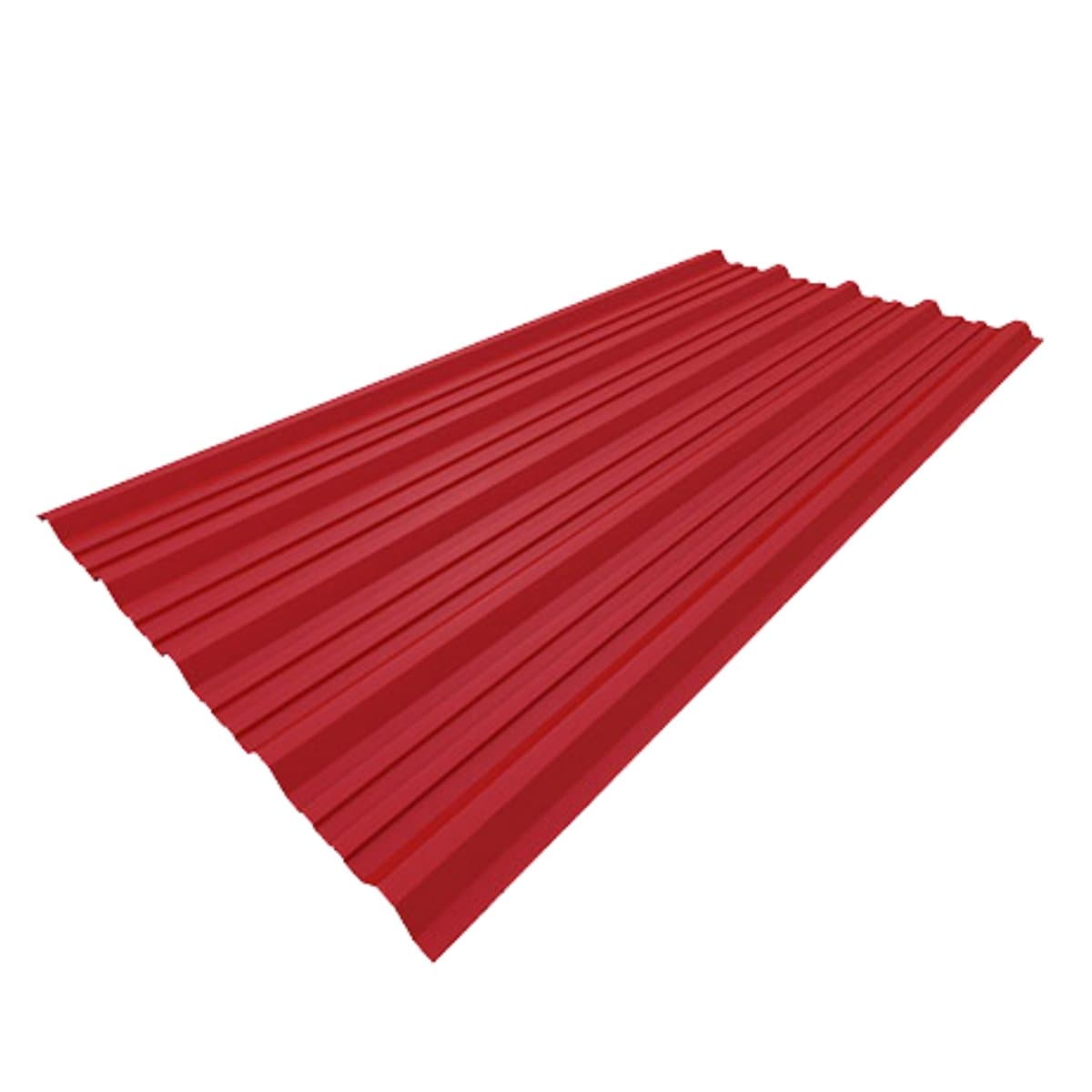
Metal Roofing Sheet
Corrugated galvanised and pre-painted steel roofing sheets — lightweight, corrosion-resistant and cut to length for fast, large-span cover.
- Thickness
- 0.5 mm
- Width
- 1000 mm effective
- Material
- Galvanised / pre-painted steel
- Length
- Cut to order
Roofing Sheets
uPVC Roofing Sheet
Multi-layer uPVC/ASA roofing sheets that shrug off corrosion and chemicals while cutting heat and noise — a long-life cover for factories and farms.
- Build
- Multi-layer uPVC / ASA
- Profile
- Trapezoidal
- Insulation
- Heat & sound
- Life
- Long service life