
Navigating the 9th Edition Florida Building Code Update
As the construction industry approaches the December 2026 deadline for the 9th Edition Florida Building Code, architects and specifiers must prepare for more rigorous wind load and impact-resistance requirements.
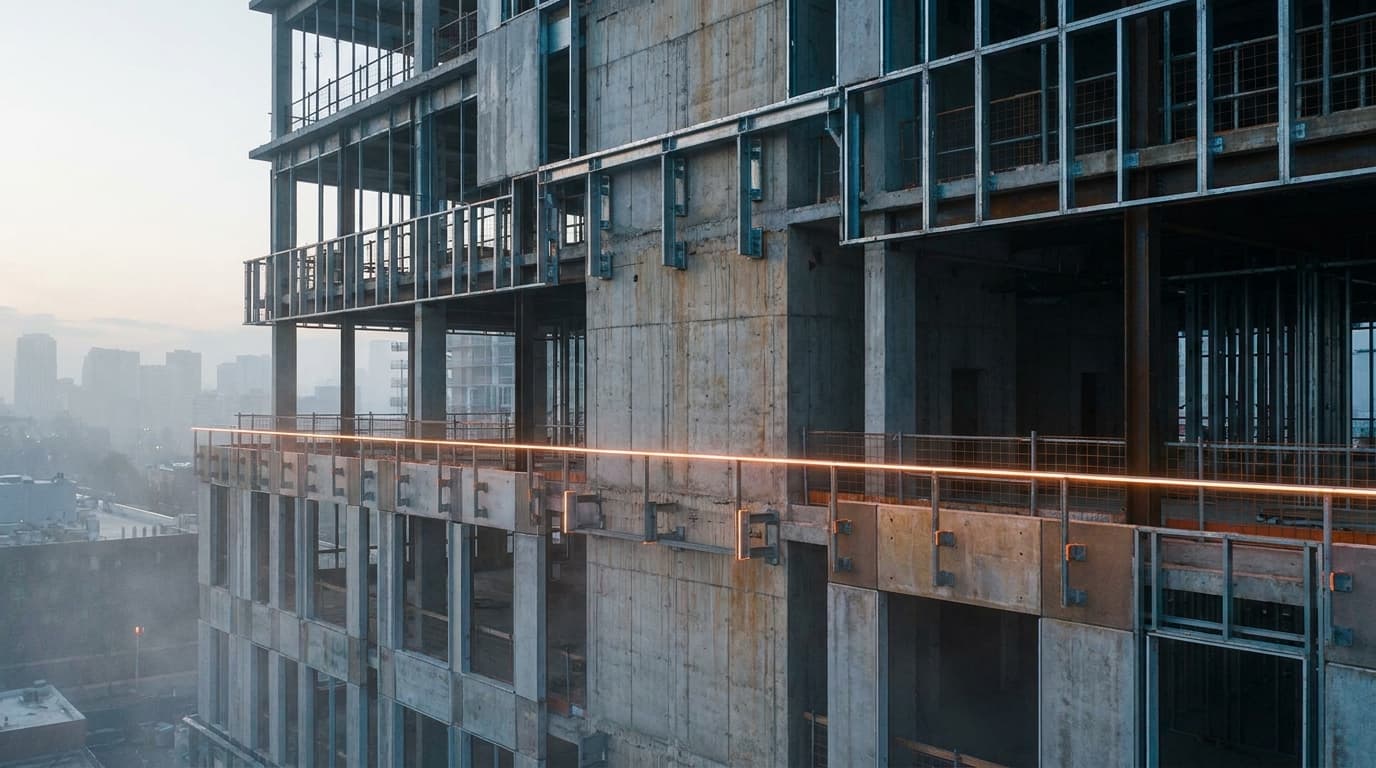
The 9th Edition Florida Building Code is set to take effect on December 31, 2026, marking a pivotal shift in the regulatory landscape for North American construction. As the state continues to refine its defensive stance against increasingly volatile tropical weather patterns, this update introduces more stringent structural and environmental mandates. Most notably, the code’s transition to the ASCE 7-22 standard for wind load calculations represents a fundamental change in how buildings must resist lateral forces. For professionals in the façade and finishing sectors, this transition necessitates a thorough recalibration of design specifications, material selections, and procurement strategies to ensure compliance for permits filed after the December deadline.
Understanding the 9th Edition Florida Building Code Update
The most significant impact of this regulatory update is the integration of ASCE 7-22, which introduces revised wind speed maps that shift contour lines further inland. This change effectively expands the geographical scope of high-wind requirements, forcing developers who previously operated in lower-tier wind zones to adopt engineering practices previously reserved for coastal regions. Furthermore, the mandatory threshold for impact-resistant building envelopes—specifically the 160 mph rating—is now being extended. New residential projects located within five miles of tidal waters must now meet these higher performance standards, moving beyond the traditional constraints of the High-Velocity Hurricane Zone (HVHZ), which historically encompassed only Miami-Dade and Broward counties.
Architects and façade consultants should note that designs currently in development may face rejection during the permitting process if they rely on superseded 8th Edition metrics. The shift to ASCE 7-22 requires re-validation of all lateral design and anchorage details. This is not merely a theoretical exercise; the new standard accounts for refined topographical effects and updated atmospheric modelling, meaning that a building’s corners and roof parapets will likely face significantly higher suction pressures. Whether you are specifying wall panels or high-performance WPC cladding, the primary challenge lies in verifying that each assembly meets the enhanced design pressure (DP) ratings dictated by the new code. The reliance on legacy testing data is no longer sufficient to guarantee safety or legal compliance.
Implications for Specification and Sourcing
For procurement teams and contractors, the primary objective is to verify the validity of existing product certifications, such as Florida Product Approvals (FPA) and Notices of Acceptance (NOAs). Many components that were considered industry standard under the 8th Edition may fall short of the 9th Edition criteria. For instance, fastener spacing schedules that were calculated under ASCE 7-10 or 7-16 will likely require adjustment to accommodate the increased load paths introduced by the latest maps.
Sourcing managers must proactively review the technical documentation of their suppliers to confirm that their materials—including cement boards and exterior cladding systems—are tested against the current ASCE 7-22 requirements. It is a common misconception that previous testing data remains valid indefinitely; however, the shift in baseline wind speeds often invalidates the load-span tables provided by manufacturers. If a manufacturer has not yet updated their third-party engineering reports to reflect 9th Edition compliance, project timelines may be jeopardised as these documents are required for the plan review phase.
Failure to align materials with these new standards early in the project lifecycle can lead to significant delays, budget overruns, and the potential necessity for site-specific re-designs. We recommend that stakeholders perform a rigorous gap analysis on their supply chain, ensuring that every specified material has a clear path to compliance under the new regulatory framework. Referencing official updates from the Florida Building Commission remains the most reliable method for maintaining project integrity, as they provide the definitive interpretation of how ASCE 7-22 requirements are to be implemented within state borders.
Regulatory Comparison: 8th Edition vs. 9th Edition
| Feature | 8th Edition FBC | 9th Edition FBC (Effective Dec 2026) |
|---|---|---|
| Wind Load Standard | ASCE 7-16/7-10 | ASCE 7-22 |
| Impact Resistance Zone | Concentrated (HVHZ) | Expanded (Within 5mi of tidal water) |
| Wind Speed Maps | Legacy | Updated inland contours |
| Documentation | Current standard | Tightened energy/structural compliance |
| Fastener/Anchorage | 8th Ed. Allowable Loads | Re-engineered for ASCE 7-22 pressures |
Global Material Comparison: GFM Compliance Trends
As the Florida Building Code trends toward more rigorous, evidence-based standards, it is helpful to compare these shifts against the Global Façade Materials (GFM) landscape, where international standards are also pivoting toward more extreme weather resiliency.
| Metric | Florida (9th Ed.) | Eurocode/Intl Standards | Typical GFM Benchmark |
|---|---|---|---|
| Peak Wind Load | Very High (Hurricane-focused) | Moderate (Variable) | High Performance |
| Impact Testing | Missile Test (Large/Small) | Soft Body / Hard Body | ASTM/TAS Standards |
| Anchorage Safety | Factor of Safety: 3.0+ | Varies by Region | 2.5–3.0 Minimum |
| Material Durability | High (Coastal Salinity) | Moderate | High (Marine Grade) |
Strategic Compliance for Façade Systems
When assessing the viability of façade systems, consider the influence of the building's geometry and site-specific wind exposure. The transition to ASCE 7-22 often increases the design pressure on corner zones and roof perimeters, areas where louvers and parapet details must be especially robust. Consultants must ensure that attachment methods—such as screws, clips, and mounting brackets—are explicitly verified for the increased load demands of the 9th Edition. Even minor changes in the spacing or gauge of a bracket can cause an assembly to fail a peer-review inspection under the new code.
The 9th Edition also places a greater emphasis on the continuity of the building envelope. As we look toward December 2026, the industry must move away from "prescriptive" design and toward "performance-based" verification. This means that façade consultants should request site-specific calculations for projects located in sensitive coastal environments, rather than relying on standard tabulated data.
At TSS, we emphasise that compliance is a dynamic process, not a static state. As code requirements tighten, the importance of reliable documentation and transparent, standardized performance data grows exponentially. Sourcing materials from suppliers who maintain active, verifiable testing data is the only way to safeguard your project from the risks of non-compliance. By staying ahead of these regulatory shifts, firms can avoid the costly bottleneck of re-permitting and ensure that the structures they build are not only code-compliant but capable of withstanding the rigours of the environment for decades to come.
If your project requires verification of existing specifications against these new mandates, our technical team is available to discuss your requirements. We provide comprehensive documentation and engineering support to ensure your façade systems align with the stringent 9th Edition criteria. Please visit our contact page to coordinate your project needs or explore our materials catalogue to review our range of certified, high-performance solutions designed to meet the demands of tomorrow’s building codes.
Frequently asked questions
When does the 9th Edition Florida Building Code take effect?
The 9th Edition of the Florida Building Code is scheduled to become effective on December 31, 2026.
What is the primary technical change in the 9th Edition?
The primary change is the adoption of the ASCE 7-22 standard for wind load calculations, which introduces revised wind speed maps and stricter structural design requirements.
How does the code update affect impact-resistant envelope requirements?
The requirement for 160 mph impact-resistant envelopes is being expanded to include new residential construction located within five miles of tidal waters, extending coverage beyond the historical HVHZ.
Why should I verify existing Florida Product Approvals?
Many previously approved assemblies may not meet the updated criteria of the 9th Edition. Verifying NOAs against the new ASCE 7-22 metrics is critical to ensure a project remains compliant for permitting.
How can I ensure my specified façade materials are compliant?
Review technical data sheets and certification documents against the new ASCE 7-22 standards. Engage with your supplier to confirm that the testing data aligns with the latest regional building code requirements.
Sources
- revolutionflorida.com — revolutionflorida.com
- permitbusters.com — permitbusters.com
- spacial.io — spacial.io
Need the materials, not just the context?
More from Standards & Compliance
Understanding ISO 9001:2026: A New Quality Management Standard
The latest evolution of the global Quality Management System standard brings critical updates to supply chain resilience and ethical accountability for the construction industry.
Read · 5 min→Digital Product Passports and the Construction Products Regulation
As the EU transitions to the Digital Product Passport framework, specifiers and suppliers must adapt to new mandates for transparency, carbon reporting, and material traceability.
Read · 5 min→Florida Building Code 9th Edition: Impact-Resistant Façade Standards
As of late 2026, the Florida Building Commission has expanded 160 mph wind-hardened requirements statewide, mandating stricter compliance for residential and multi-story envelopes.
Read · 5 min→