
TSS·UPV
uPVC Windows & Doors
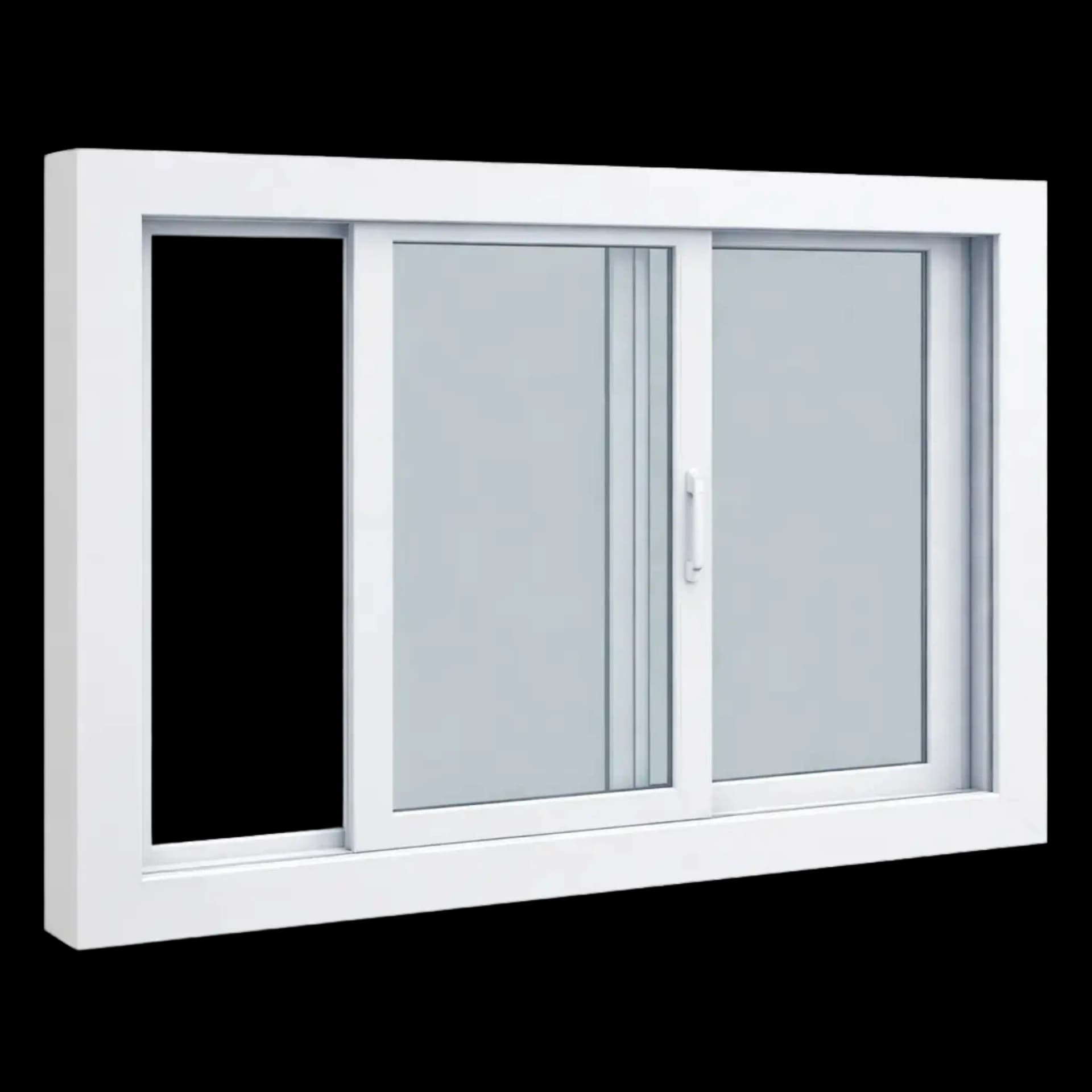
uPVC Sliding Window
Space-saving, smooth glide.
The TSS uPVC Sliding Window is engineered for openings where swing space is at a premium. Sashes glide horizontally along precision tracks rather than projecting into the room, making the window ideal for balconies, walkways and rooms where a casement or top-hung sash would obstruct furniture, circulation or external paths. Available in two- and three-track configurations, the system gives flexible ventilation control and lets a wider opening be served by panels that overlap rather than collide.
The TSS uPVC Sliding Window is engineered for openings where swing space is at a premium. Sashes glide horizontally along precision tracks rather than projecting into the room, making the window ideal for balconies, walkways and rooms where a casement or top-hung sash would obstruct furniture, circulation or external paths. Available in two- and three-track configurations, the system gives flexible ventilation control and lets a wider opening be served by panels that overlap rather than collide.
The frame and sashes are formed from multi-chambered uPVC profiles that combine rigidity with built-in thermal breaks. Continuous brush-pile and bubble gaskets seal each track against wind-driven rain, fine dust and draughts, while stainless-steel rollers and a stainless track liner keep operation light and consistent over years of daily use. Glazing options run from single panes for sheltered internal screens to insulated double-glazed units for thermal and acoustic comfort.
Supplied across Europe, North America and beyond, every window is manufactured to EN 14351-1 with profiles conforming to EN 12608-1, CE marked and supported by full technical documentation. An optional sliding insect mesh track integrates flush with the frame, allowing ventilation without admitting insects — particularly valued in residential and hospitality projects.
- Type
- Horizontal sliding (2 / 3 track)
- Profile system
- Multi-chambered uPVC (typ. 3–5 chambers)
- Profile class
- EN 12608-1 Class A wall thickness (typical)
- Frame depth
- Typ. 60–80 mm sliding section
- Glazing
- Single, or 24–28 mm insulated double-glazed unit
- Glazing thickness range
- Typ. 4 mm single to 28 mm IGU
- Reinforcement
- Galvanised steel core in main profiles
- Thermal transmittance (Uw)
- Typ. 1.8–2.6 W/m²K (per EN ISO 10077)
- Acoustic rating (Rw)
- Typ. 28–34 dB with DGU (per EN ISO 717-1)
- Air permeability
- Up to Class 3 (EN 12207)
- Watertightness
- Up to Class 6A / 7A (EN 12208), typical
- Wind resistance
- Up to Class C3 (EN 12211), typical
- Sealing
- Brush-pile + co-extruded gasket on all tracks
- Hardware
- Stainless-steel rollers, track liner & lock
- Mesh option
- Integrated sliding fibreglass insect track
- Finish
- White, woodgrain foil or RAL-matched lamination
▸Apartments
Frees up internal space in compact urban units where outward- or inward-opening sashes would be impractical.
▸Balcony openings
Slides clear of railings and external walkways, giving full ventilation without sashes swinging over the parapet.
▸Offices
Provides controllable ventilation and a clean sightline along façades and partition walls without protruding hardware.
▸Villas
Spans wide living-room and bedroom openings with overlapping panels for generous daylight and uninterrupted views.
▸Hospitality & serviced rooms
The optional insect track suits guest rooms that need airflow while keeping interiors sealed against pests.
▸Corridors & stairwells
Keeps circulation routes free of projecting sashes while still delivering compliant natural ventilation.
▸Space-saving operation
Sashes glide within the frame footprint, reclaiming the swing area a casement or hung sash would otherwise occupy.
▸Dust & rain sealed
Brush-pile and co-extruded gaskets on every track block wind-driven rain and fine airborne dust.
▸Smooth glide
Stainless-steel rollers running on a stainless track liner keep operation light and stable over long service life.
▸Optional insect mesh
A flush sliding mesh track admits fresh air while keeping insects out, without altering the window's clean lines.
▸Thermal & acoustic comfort
Multi-chamber profiles with insulated glazing reduce heat transfer and damp external noise.
▸Low-maintenance finish
Rigid uPVC needs no painting and wipes clean, resisting corrosion, swelling and weathering.
EN 14351-1
Harmonised product standard for windows and external doorsets — declares performance for watertightness, air permeability, wind load, thermal and acoustic characteristics; basis for CE marking.
EN 12608-1
Classification, requirements and test methods for PVC-U profiles used to fabricate windows and doors, including wall-thickness classes (A/B/C) and weathering performance.
EN 12207 / EN 12208 / EN 12211
Classification of air permeability, watertightness and resistance to wind load respectively — the weather-performance classes called up by EN 14351-1.
EN ISO 10077-1/-2
Calculation of thermal transmittance (U-value) of windows, doors and shutters, covering frame and glazing contributions.
ISO 9001
Quality management system governing manufacture, inspection and traceability of the supplied units.
- ▸Set the frame plumb, level and square in the structural opening; check diagonals before fixing to ensure the sashes glide and seat evenly along the full travel.
- ▸Fix through the frame at recommended centres using appropriate anchors for the substrate, packing behind each fixing point to avoid distorting the multi-chamber profile.
- ▸Seal the perimeter with a compatible low-modulus sealant or a continuous compression tape; maintain the drainage and pressure-equalisation slots clear at the cill.
- ▸Keep the bottom track and roller path free of mortar and debris during construction; protect profiles with peelable film until handover.
- ▸Verify roller height adjustment and lock/keep engagement on commissioning so each sash latches cleanly and runs without binding.
- ▸Store and transport units upright and well supported, glazed face protected, away from prolonged direct sunlight before installation.
- Track configuration
- 2-track (2 sash) or 3-track (3 sash)
- Glazing
- Single pane or 24–28 mm insulated double-glazed unit
- Finish — White
- Standard smooth white uPVC
- Finish — Woodgrain
- Laminated foil (oak, walnut, mahogany and similar)
- Finish — RAL colour
- RAL-matched lamination on request
- Mesh track
- With or without integrated sliding insect mesh
Standard white, single- and double-glazed sliding windows in common opening sizes are typically held as stock or short-lead items, while three-track systems, laminated and RAL-matched finishes, mesh-integrated units and project-specific dimensions are made to order against confirmed schedules; representative lead times are advised at enquiry. Physical samples, corner sections and finish swatches are available for approval before production, and every order ships with a full document pack — Technical Data Sheet, EN 14351-1 Declaration of Performance, CE marking, glazing and hardware specifications, test-report references and the product warranty. We export worldwide with complete commercial and compliance documentation, including packing lists, certificates of origin and, where required, third-party test certification.
uPVC Sliding Window
questions.
A two-track frame carries two overlapping sashes (one fixed, one sliding, or both sliding). A three-track frame adds a third channel so a wider opening can be served by three panels — useful for large spans or to accommodate an integrated mesh sash.
Yes. An optional fibreglass insect mesh runs on its own flush track within the frame, so you can ventilate through the open sash while the mesh keeps insects out. It can be specified at order or accommodated on the three-track profile.
These units use brush-pile plus co-extruded gaskets on every track and a drained, pressure-equalised cill, typically achieving watertightness up to Class 6A–7A and air permeability up to Class 3 under EN 12208 and EN 12207 — well suited to exposed balcony and façade openings.
With a multi-chamber profile and an insulated double-glazed unit, Uw is typically in the 1.8–2.6 W/m²K range per EN ISO 10077, and acoustic reduction is typically 28–34 dB Rw per EN ISO 717-1. Exact figures depend on glazing build-up and unit size and are confirmed per configuration.
Main profiles carry a galvanised steel core for rigidity and to support hardware loads. The uPVC is formulated for weathering resistance to EN 12608-1; white and laminated finishes are stable under sustained UV exposure and require no painting.
Standard smooth white, woodgrain laminated foils such as oak, walnut and mahogany, and RAL-matched laminations on request. Samples and swatches are provided for approval before manufacture.
Yes. Units are manufactured to EN 14351-1 with profiles to EN 12608-1, CE marked, and supplied across Europe, North America and beyond with full documentation including the Declaration of Performance, TDS, test-report references and warranty.
uPVC Windows & Doors
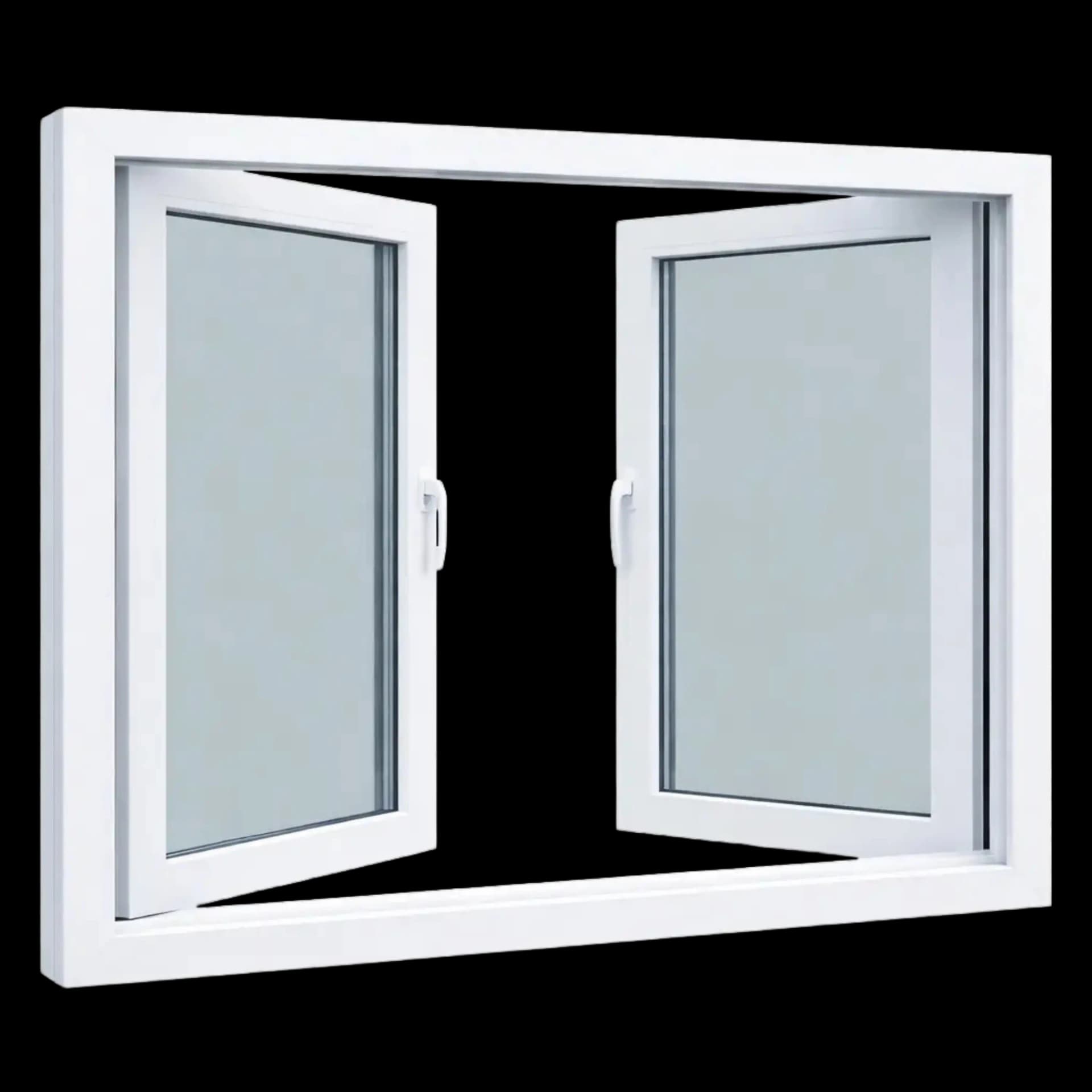
uPVC Casement Window
Side-hung uPVC casement windows with multi-chambered profiles and multi-point locking — a clean view, a quiet room and a weather-tight seal.
- Type
- Casement
- Profile
- Multi-chambered uPVC
- Glazing
- Single / double
- Locking
- Multi-point
uPVC Windows & Doors
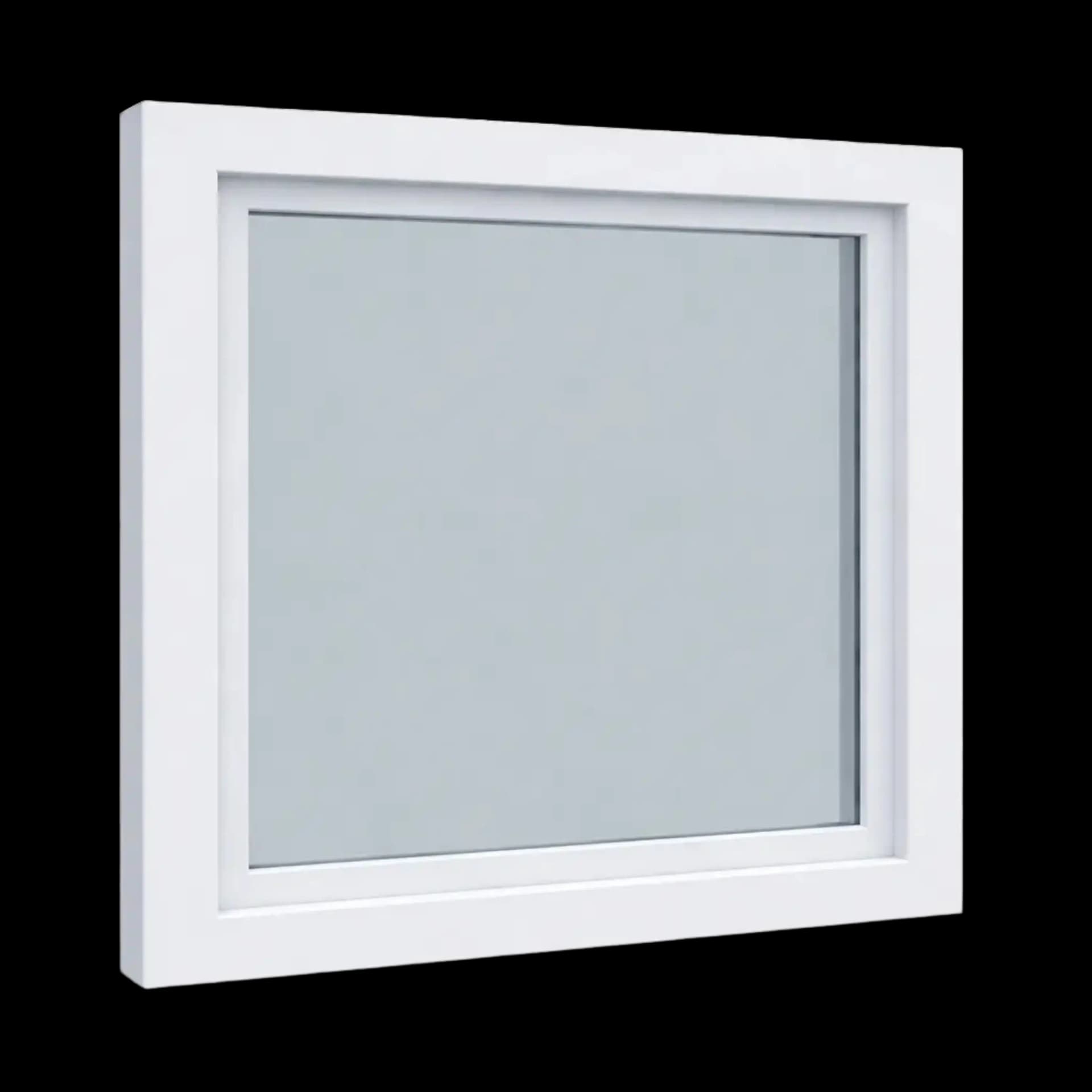
uPVC Fixed Window
Fixed uPVC windows for uninterrupted daylight and views where ventilation isn't needed — fully sealed, slim-sightline and energy-efficient.
- Type
- Fixed light
- Profile
- Multi-chambered uPVC
- Glazing
- Single / double
- Sightline
- Slim